
Why Are the Fiber Balls Eco-friendly Materials
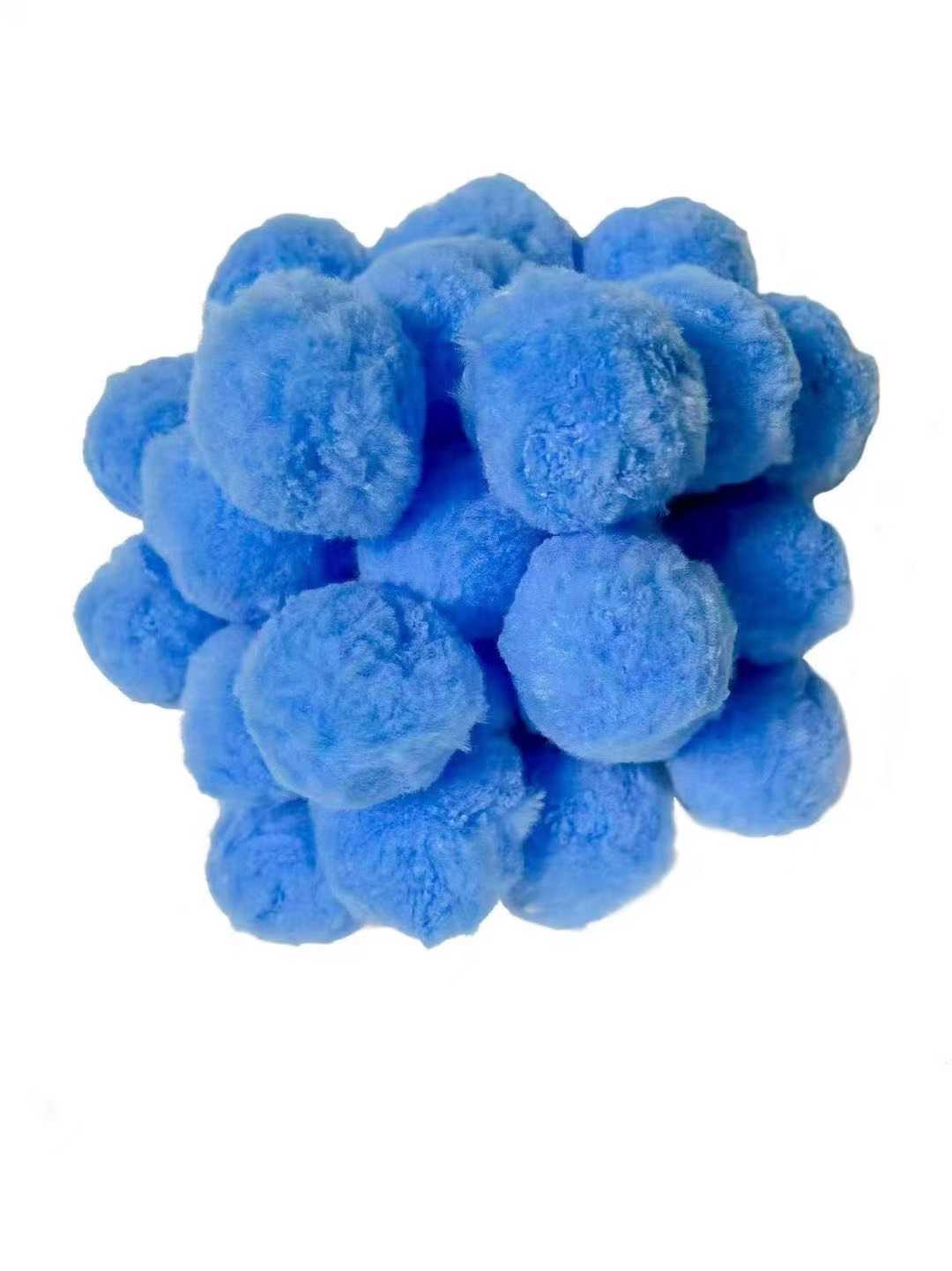
Fiber balls are typical eco-friendly materials, with their core environmental advantages stemming from the green characteristics throughout the entire process of raw material selection, production and application, as well as their high resource utilization efficiency. The raw materials are mostly biodegradable natural plant fibers or environment-friendly polymer materials like polypropylene and polyester.
Part of the manufacturing process uses water as the medium, avoiding organic solvent pollution entirely, and most raw materials are derived from renewable biomass resources. In application, fiber balls achieve filtration through physical adsorption and interception without adding any chemical agents, fundamentally preventing secondary water pollution. The water consumption for backwashing only accounts for 1%–3% of the total water output during the operation cycle, significantly saving water resources.
Meanwhile, fiber balls feature high mechanical strength and a long service life. They can be regenerated and reused via backwashing, chemical cleaning and other methods, which effectively reduces the frequency of filter material replacement and the generation of solid waste. Their entire life cycle is fully in line with the requirements of green and sustainable development.