
Zeolite Molecular Sieves: Efficient "Molecular Sieve Nets" and Adsorbents
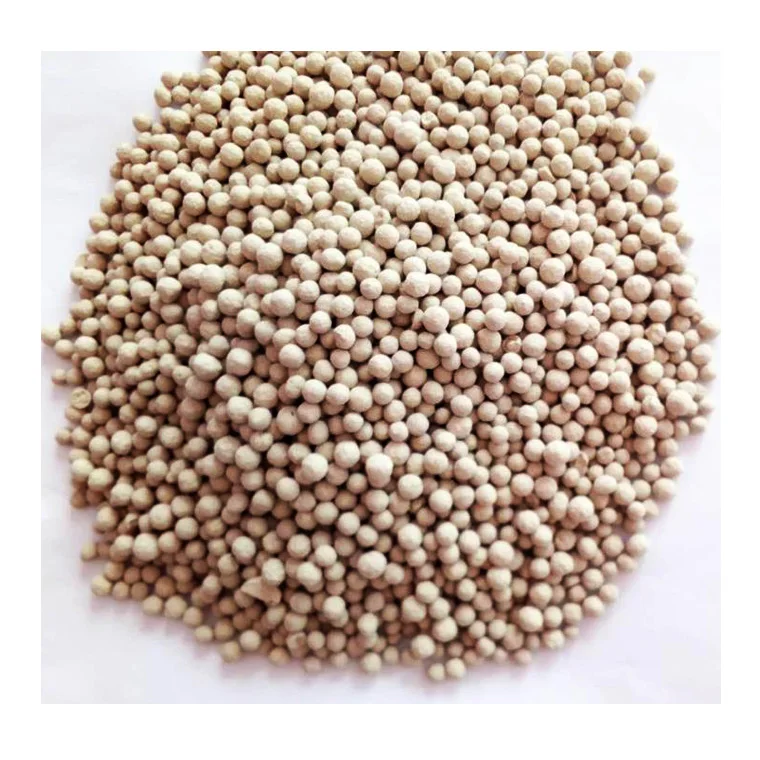
Zeolite molecular sieves are crystalline aluminosilicates. They are named for their internal structure of uniform, regular micropores, which allow them to act like sieves to precisely separate molecules of different sizes.
Their core properties and applications include:
Sieving and Adsorption: The pore size matches the dimensions of common molecules, enabling selective adsorption of small molecules such as water, carbon dioxide, and ammonia, thus achieving gas drying, separation, and purification.
Catalytic Activity: Their unique crystal structure makes them important catalytic materials, widely used in petroleum refining, chemical synthesis, and other fields to accelerate specific chemical reactions.
Ion Exchange: Cations in the framework can be exchanged, making them suitable for applications like water softening and radioactive waste treatment.
In industrial and environmental fields, zeolite molecular sieves are core materials for processes such as drying, purification, separation, and catalysis, and are also key functional materials for environmental governance and energy utilization.