
TCCA Disinfectant Tablets Classified as Hazardous Chemicals – Mixing with Ammonia Substances May Cause Explosions
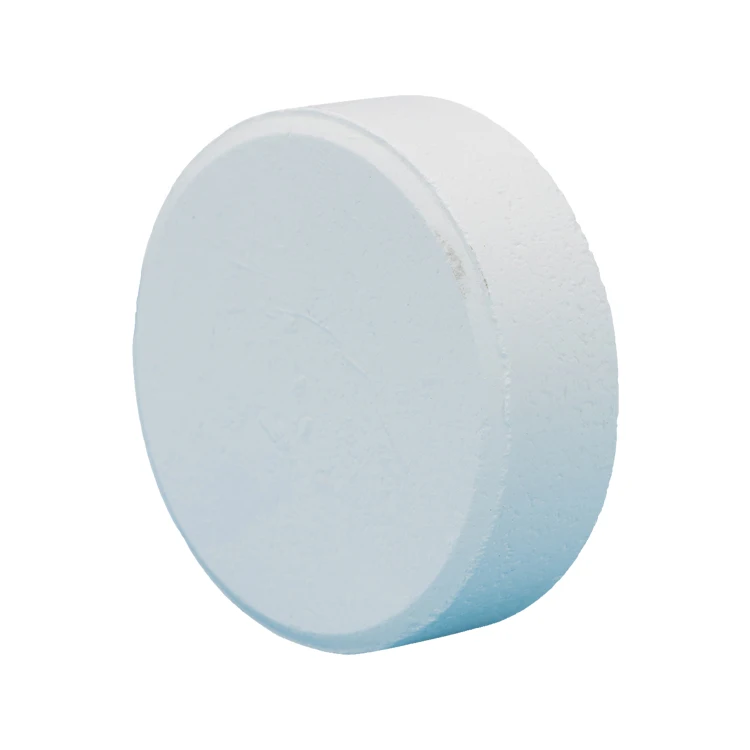
Trichloroisocyanuric acid (TCCA), commonly used for pool disinfection and water treatment, has recently been officially classified as a hazardous chemical. According to the Regulations on the Safety Management of Hazardous Chemicals, TCCA falls under Class 5 oxidizers, posing risks such as strong oxidizing properties and corrosivity.
Emergency management authorities warn: Contact between TCCA and ammonia-containing substances (e.g., ammonia, urea) may lead to explosions or combustion. When exposed to moisture or heat, TCCA releases toxic chlorine gas; high-concentration solutions can corrode skin and irritate the respiratory tract. For storage, it must be kept separately in a dry, ventilated area, and must not be stored with flammable or explosive materials. During transportation, package damage should be avoided, and co-transportation with ammonia-based substances or reducing agents (other hazardous materials) is strictly prohibited.
Fire departments specifically note: If a fire is caused by TCCA, do not extinguish it directly with water. Fire sand should be used instead. Personnel must work upwind and wear gas masks.